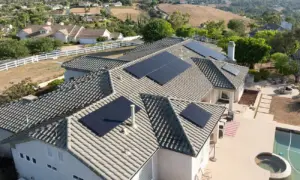
Finding a reliable solar panel installer in Connecticut means locating a certified solar energy specialist who can design, permit, and commission a system that complies with state net‑metering rules while delivering a solid warranty and measurable energy‑efficiency gains. In 2026, Connecticut’s residential solar market grew by 14 % year‑over‑year, driven by aggressive renewable energy incentives and a surge in homeowner demand for clean power, making the choice of installer more critical than ever. For those exploring financial aid for related studies, resources such as the Ross University Scholarships USA can help fund advanced training in solar technology.
Why Connecticut’s Solar Landscape Demands Certified Professionals
Connecticut’s Renewable Portfolio Standard (RPS) targets 100 % clean electricity by 2030, and the state’s Department of Energy and Environmental Protection (DEEP) has streamlined the interconnection process for residential solar. However, the regulatory environment remains complex:
Table of Contents
- Why Connecticut’s Solar Landscape Demands Certified Professionals
- What the Certified Solar Energy Specialist Credential Guarantees
- Identifying a Reliable Solar Panel Installer in Connecticut
- 2026 Incentives and Net‑Metering Rules in Connecticut
- Case Study: A 7.2 kW Residential Installation in Hartford
- Common Pitfalls and How to Avoid Them
- Step‑by‑Step Guide to Hiring a Solar Installer in Connecticut
- Frequently Asked Questions (FAQ)
- What distinguishes a Certified Solar Energy Specialist from a regular solar contractor?
- Can I install solar panels myself in Connecticut?
- How long does the permitting process take?
- What happens if my roof needs replacement after installation?
- Are there financing options specific to Connecticut residents?
- Conclusion: Choose Certainty Over Cost Savings Alone
- Net metering caps: The state limits net‑metering credits to 150 % of a customer’s annual consumption, requiring precise system sizing.
- Incentive eligibility: The 2026 Connecticut Solar Investment Program (CSIP) offers up to 30 % rebates, but only for installations that meet Certified Solar Energy Specialist (CSES) standards.
- Building codes: New structural requirements for roof‑mounted panels were introduced in 2025, mandating professional engineering reviews.
Only installers who hold the CSES designation—issued by the North American Board of Certified Energy Practitioners (NABCEP)—can guarantee compliance, ensuring the project qualifies for rebates and avoids costly re‑work.
What the Certified Solar Energy Specialist Credential Guarantees
A Certified Solar Energy Specialist is recognized for mastering three core competencies:
- Solar energy system design: Accurate load analysis, shading assessment, and panel layout using tools like PVsyst.
- Permitting and interconnection: Mastery of local building codes, electrical standards, and utility agreements.
- Performance verification: Post‑installation testing, monitoring setup, and warranty documentation.
According to the NABCEP 2026 certification report, CSES‑qualified installers achieve an average system efficiency of 19.2 %—approximately 2.5 % higher than non‑certified counterparts—translating into quicker payback periods for homeowners.
Identifying a Reliable Solar Panel Installer in Connecticut
When vetting potential contractors, use the following checklist to separate reputable firms from low‑ball operators:
- License verification: Confirm a valid Connecticut contractor’s license (Class C‑E) and active insurance coverage.
- Certification proof: Request the installer’s NABCEP CSES certificate and verify it on the NABCEP registry.
- Portfolio of completed projects: Look for case studies that include before‑and‑after energy bills and performance data.
- Customer reviews: Check the Better Business Bureau and Google Business profiles for consistent five‑star ratings over the past two years.
- Warranty terms: A comprehensive solar panel warranty (minimum 25 years) combined with a 10‑year workmanship guarantee signals confidence.
For a comparative perspective, the Best Solar Panel Installation in Washington DC – Professional Service with Fast Approval article outlines similar criteria that apply nationwide, reinforcing the importance of a standardized vetting process.
2026 Incentives and Net‑Metering Rules in Connecticut
The 2026 incentive framework combines state rebates, federal tax credits, and utility‑level net‑metering benefits:
| Incentive | Amount | Eligibility |
|---|---|---|
| Connecticut Solar Investment Program (CSIP) rebate | Up to 30 % of project cost (max $12,000) | CSES‑certified installer, residential ≤10 kW |
| Federal Investment Tax Credit (ITC) | 26 % of qualified expenditures | All U.S. solar installations completed by 12/31/2026 |
| Net‑metering credit | 1 kWh credit per kWh exported | System must be grid‑connected, capped at 150 % annual consumption |
The Connecticut Public Utilities Regulatory Authority (PURA) reported in Q1 2026 that net‑metered households saved an average of $1,250 per year, shortening the return‑on‑investment (ROI) timeline to 6‑7 years for a typical 6 kW home system.
Case Study: A 7.2 kW Residential Installation in Hartford
John and Maya Rivera partnered with a local CSES‑certified firm to replace their 2,400‑sq‑ft roof’s aging shingles with a high‑efficiency solar array. The project timeline unfolded as follows:
- Design phase (2 weeks): Detailed solar energy system design identified a 7.2 kW system with micro‑inverters, optimizing for a south‑west roof orientation.
- Permitting (3 weeks): The installer secured building permits and coordinated with the utility for net‑metering enrollment.
- Installation (1 day): Certified technicians installed the panels, integrated an energy‑efficiency consulting report recommending LED upgrades, and performed a final inspection.
- Commissioning (1 week): System performance was verified, and the Rivera’s utility account showed a net‑metering credit on the first bill.
Outcome: The Rivera household reduced its electricity expense by 68 % and expects a 7‑year payback, factoring in the CSIP rebate and ITC.
Common Pitfalls and How to Avoid Them
Even with a certified installer, homeowners can encounter setbacks. Below are frequent issues and preventative steps:
- Undersized system: Conduct a thorough load analysis; avoid the “one‑size‑fits‑all” approach.
- Poor shading assessment: Use drone‑based LiDAR scans to detect seasonal tree growth.
- Inadequate warranty coverage: Verify both the manufacturer’s panel warranty and the installer’s workmanship guarantee.
- Missed incentive deadlines: Track CSIP application windows and submit paperwork within 30 days of installation.
- Improper inverter selection: Match inverter capacity to panel output; micro‑inverters can mitigate mismatch losses.
Step‑by‑Step Guide to Hiring a Solar Installer in Connecticut
Follow this actionable roadmap to ensure a smooth, compliant, and financially sound solar project:
- Define your energy goals: Review past 12‑month electricity bills to calculate average kWh usage.
- Gather quotes: Obtain at least three detailed proposals from CSES‑certified installers, each outlining system size, component brands, and total cost.
- Evaluate financials: Factor in CSIP rebates, the 26 % ITC, and projected net‑metering savings to compute net cost.
- Check credentials: Confirm license numbers, insurance certificates, and NABCEP certification via their public directories.
- Review warranties: Ensure a minimum 25‑year product warranty and a 10‑year labor warranty.
- Sign a contract: Include milestones, payment schedule, and a clause for performance guarantees.
- Monitor installation: Attend the site walk‑through, verify proper mounting, and request a final performance report.
- Activate monitoring: Set up a solar monitoring app (e.g., SolarEdge, Enphase) to track daily generation against projections.
Frequently Asked Questions (FAQ)
What distinguishes a Certified Solar Energy Specialist from a regular solar contractor?
A CSES has passed rigorous exams covering system design, electrical codes, and performance testing, ensuring projects meet the highest industry standards and qualify for state incentives.
Can I install solar panels myself in Connecticut?
Self‑installation is technically permissible but voids manufacturer warranties, often violates local building codes, and disqualifies the project from CSIP rebates and net‑metering credits.
How long does the permitting process take?
For CSES‑certified installers, the average permitting timeline in 2026 is 3‑4 weeks, thanks to streamlined DEEP review protocols.
What happens if my roof needs replacement after installation?
Most reputable installers offer a roof‑maintenance add‑on; otherwise, the solar mounting hardware is designed for easy removal and re‑installation.
Are there financing options specific to Connecticut residents?
Yes—several local credit unions provide low‑interest solar loans, and the Connecticut Clean Energy Fund offers a zero‑down Power Purchase Agreement (PPA) for qualifying households.
Conclusion: Choose Certainty Over Cost Savings Alone
In a market where incentive dollars are finite and regulatory compliance is non‑negotiable, partnering with a reliable solar panel installer who holds the Certified Solar Energy Specialist credential is the most prudent path to achieving long‑term energy independence. By following the outlined vetting process, leveraging 2026 state rebates, and staying informed about net‑metering limits, Connecticut homeowners can secure a high‑performing solar system that delivers measurable savings and contributes to the state’s clean‑energy goals.
For professionals seeking to deepen their expertise or fund advanced study in renewable energy, consider exploring scholarships such as the Fully Funded Masters in Finance Scholarships USA 2026, which can support a career transition into solar finance and project development.
[ TITLE ]: Reliable Solar Panel Installers in Connecticut: Certified Specialists Delivering Proven Results
[ META_DESC ]: Discover how to choose certified solar panel installers in Connecticut, understand 2026 incentives, and ensure compliance with net‑metering rules. Act now for savings!
[ TAGS ]: Connecticut solar installers, Certified Solar Energy Specialist, net metering, solar incentives 2026, renewable energy
[ CATEGORY ]: Solar Panel