2026 Incentives and Net‑Metering Rules in Connecticut
The 2026 incentive framework combines state rebates, federal tax credits, and utility‑level net‑metering benefits:
| Incentive | Amount | Eligibility |
|---|---|---|
| Connecticut Solar Investment Program (CSIP) rebate | Up to 30 % of project cost (max $12,000) | CSES‑certified installer, residential ≤10 kW |
| Federal Investment Tax Credit (ITC) | 26 % of qualified expenditures | All U.S. solar installations completed by 12/31/2026 |
| Net‑metering credit | 1 kWh credit per kWh exported | System must be grid‑connected, capped at 150 % annual consumption |
The Connecticut Public Utilities Regulatory Authority (PURA) reported in Q1 2026 that net‑metered households saved an average of $1,250 per year, shortening the return‑on‑investment (ROI) timeline to 6‑7 years for a typical 6 kW home system.
Case Study: A 7.2 kW Residential Installation in Hartford
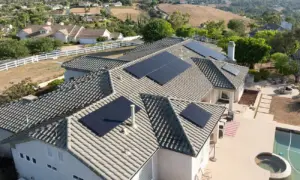
John and Maya Rivera partnered with a local CSES‑certified firm to replace their 2,400‑sq‑ft roof’s aging shingles with a high‑efficiency solar array. The project timeline unfolded as follows:
Table of Contents
- 2026 Incentives and Net‑Metering Rules in Connecticut
- Case Study: A 7.2 kW Residential Installation in Hartford
- Common Pitfalls and How to Avoid Them
- Step‑by‑Step Guide to Hiring a Solar Installer in Connecticut
- Frequently Asked Questions (FAQ)
- What distinguishes a Certified Solar Energy Specialist from a regular solar contractor?
- Can I install solar panels myself in Connecticut?
- Design phase (2 weeks): Detailed solar energy system design identified a 7.2 kW system with micro‑inverters, optimizing for a south‑west roof orientation.
- Permitting (3 weeks): The installer secured building permits and coordinated with the utility for net‑metering enrollment.
- Installation (1 day): Certified technicians installed the panels, integrated an energy‑efficiency consulting report recommending LED upgrades, and performed a final inspection.
- Commissioning (1 week): System performance was verified, and the Rivera’s utility account showed a net‑metering credit on the first bill.
Outcome: The Rivera household reduced its electricity expense by 68 % and expects a 7‑year payback, factoring in the CSIP rebate and ITC.
Common Pitfalls and How to Avoid Them
Even with a certified installer, homeowners can encounter setbacks. Below are frequent issues and preventative steps:
- Undersized system: Conduct a thorough load analysis; avoid the “one‑size‑fits‑all” approach.
- Poor shading assessment: Use drone‑based LiDAR scans to detect seasonal tree growth.
- Inadequate warranty coverage: Verify both the manufacturer’s panel warranty and the installer’s workmanship guarantee.
- Missed incentive deadlines: Track CSIP application windows and submit paperwork within 30 days of installation.
- Improper inverter selection: Match inverter capacity to panel output; micro‑inverters can mitigate mismatch losses.
Step‑by‑Step Guide to Hiring a Solar Installer in Connecticut
Follow this actionable roadmap to ensure a smooth, compliant, and financially sound solar project:
- Define your energy goals: Review past 12‑month electricity bills to calculate average kWh usage.
- Gather quotes: Obtain at least three detailed proposals from CSES‑certified installers, each outlining system size, component brands, and total cost.
- Evaluate financials: Factor in CSIP rebates, the 26 % ITC, and projected net‑metering savings to compute net cost.
- Check credentials: Confirm license numbers, insurance certificates, and NABCEP certification via their public directories.
- Review warranties: Ensure a minimum 25‑year product warranty and a 10‑year labor warranty.
- Sign a contract: Include milestones, payment schedule, and a clause for performance guarantees.
- Monitor installation: Attend the site walk‑through, verify proper mounting, and request a final performance report.
- Activate monitoring: Set up a solar monitoring app (e.g., SolarEdge, Enphase) to track daily generation against projections.
Frequently Asked Questions (FAQ)
What distinguishes a Certified Solar Energy Specialist from a regular solar contractor?
A CSES has passed rigorous exams covering system design, electrical codes, and performance testing, ensuring projects meet the highest industry standards and qualify for state incentives.
Can I install solar panels myself in Connecticut?
Self‑installation is technically permissible but voids manufacturer warranties, often violates local building codes, and disqualifies the project from CSIP rebates and net‑metering credits.