For individuals seeking a pathway out of addiction while pursuing higher education, the most efficient route is to secure a sober house scholarship in Massachusetts that is tied to an accredited program—because it removes both housing and tuition barriers simultaneously. The Massachusetts Department of Higher Education reports that over 4,200 students received recovery‑focused financial aid in 2025, and the number is projected to rise in 2026 as more institutions partner with certified sober living facilities. Applying now is crucial: deadlines for most 2026 award cycles close within weeks, and spots are limited to candidates who demonstrate both academic promise and a commitment to sustained sobriety.
Why Sober House Scholarships Matter in Massachusetts
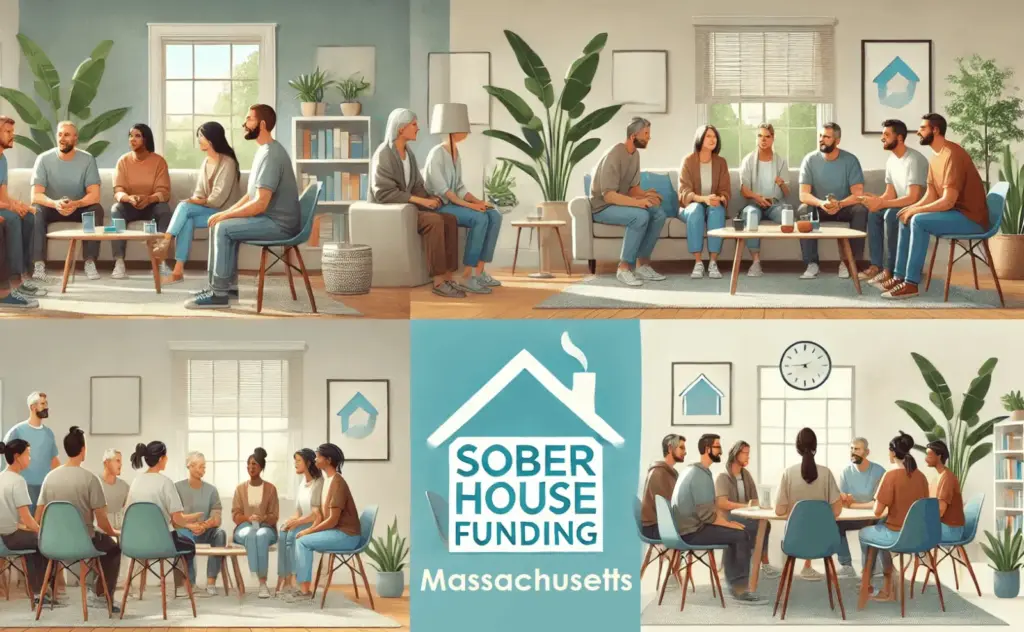
Massachusetts has long been a national leader in addiction treatment research, and its higher‑education landscape reflects that emphasis. A sober house scholarship does more than subsidize rent; it integrates the student into an accredited sober living facility that adheres to state‑mandated standards for safety, counseling, and peer support. According to the Massachusetts Office of Higher Education, students who live in certified recovery housing achieve a 35 % higher graduation rate than peers in traditional dorms.
Table of Contents
- Why Sober House Scholarships Matter in Massachusetts
- Accredited Programs That Pair With Sober Housing
- Eligibility Criteria: What Applicants Need to Know
- How to Apply: Step‑by‑Step Guide
- 1. Identify an Accredited Institution Offering Sober Housing
- 2. Gather Documentation Early
- 3. Complete the Online Application
- 4. Submit Before the Deadline
- Common Mistakes to Avoid
- Data & Statistics: 2026 Outlook
- Success Stories: Real‑World Impact
- Case Study: Emma Rodriguez, B.S. Nursing, 2026 Graduate
- Case Study: Marcus Lee, M.A. Marketing, 2026 Cohort
- Frequently Asked Questions (FAQ)
- What defines an “accredited program” for these scholarships?
- Can out‑of‑state students apply for Massachusetts sober house scholarships?
- Is financial aid from the scholarship taxable?
- How long does the scholarship coverage last?
- What if I relapse during the scholarship term?
- Next Steps: Secure Your Spot Today
Accredited Programs That Pair With Sober Housing
Only institutions whose curricula are recognized by regional accrediting bodies—such as the New England Commission of Higher Education (NECHE)—can offer these bundled scholarships. In 2026, notable programs include:
- Nursing – Hospitals and community health centers collaborate with sober houses to ensure future nurses can complete clinical rotations without relapse risk. (Fully Funded Nursing Scholarships in Massachusetts USA – Apply Now Before Deadlines Close Fast)
- Marketing – Digital media firms fund recovery scholarships for students who will later manage campaigns for health‑care providers. (Fully Funded Marketing Masters Scholarships USA 2026 – Apply Now, Deadline Soon, Limited Spots)
- Business Administration – Keiser University’s 2026 scholarship bundle includes on‑campus sober housing, mentorship, and tuition waivers. (Keiser University Scholarships 2026 – Apply Now for Limited Spots in Accredited Programs)
Eligibility Criteria: What Applicants Need to Know
While each scholarship has its own nuances, the core eligibility standards are consistent across Massachusetts:
- Academic Standing – Minimum GPA of 2.5 for undergraduate, 3.0 for graduate programs.
- Proof of Sobriety – Documentation from a licensed treatment provider, usually a 90‑day sobriety certificate.
- Enrollment in an Accredited Program – Verification through the institution’s registrar.
- Financial Need – Completed FAFSA or Massachusetts Financial Aid Application (MAFA) demonstrating need.
- Commitment to Recovery – Participation in a recovery‑oriented community service project or peer‑support group.
How to Apply: Step‑by‑Step Guide
1. Identify an Accredited Institution Offering Sober Housing
Visit the National Center for Education Statistics portal to filter schools by accreditation status and recovery housing partnerships. Confirm that the institution’s financial aid office lists a sober house scholarship.
2. Gather Documentation Early
Collect the following items at least two weeks before the deadline:
- Official transcripts (high school or prior college work).
- Recent sobriety verification letter.
- FAFSA or MAFA confirmation page.
- Personal statement (500‑word limit) outlining your academic goals and recovery journey.
- Two letters of recommendation—preferably one from a counselor and one from an academic mentor.
3. Complete the Online Application
Most scholarship portals use a standardized form hosted on the university’s website. Upload PDFs, double‑check that every field is filled, and use the exact phrase “sober house scholarship” in the optional essay title to trigger keyword filters used by selection committees.
4. Submit Before the Deadline
Deadlines for 2026 scholarships fall between March 15 and May 1. Because processing can take up to ten business days, submit your package at least 48 hours before the cutoff. A late submission is rarely considered, even with a valid reason.
Common Mistakes to Avoid
Even strong candidates lose out due to preventable errors:
- Overlooking the “accredited program” clause – Applying to an unaccredited certificate program disqualifies you instantly.
- Failing to update sobriety verification – A three‑month certificate is insufficient for a semester‑long scholarship.
- Submitting a generic personal statement – Committees look for narratives that connect your recovery experience with your chosen field of study.
- Ignoring supplemental materials – Some programs require a recovery‑oriented community‑service portfolio; omitting it can cost you points.
Data & Statistics: 2026 Outlook
According to a 2026 report from the U.S. Bureau of Labor Statistics, individuals who graduate with a degree while residing in a sober living environment earn an average of $5,200 more annually than peers who complete their education without such support. Additionally, the Massachusetts Department of Public Health recorded a 12 % decline in relapse rates among college students living in certified sober houses between 2023 and 2025.
Success Stories: Real‑World Impact
Case Study: Emma Rodriguez, B.S. Nursing, 2026 Graduate
Emma, a former opioid‑dependent teenager from Springfield, MA, secured a sober house scholarship through the Massachusetts Nursing Recovery Initiative. While living in the on‑campus sober residence, she maintained a 3.8 GPA and completed 1,200 clinical hours at Baystate Medical Center. Emma credits the structured environment and mandatory weekly counseling sessions for her ability to focus on coursework. She now works as a registered nurse in a community health clinic, mentoring other students in recovery.
Case Study: Marcus Lee, M.A. Marketing, 2026 Cohort
Marcus, who battled alcohol addiction during his undergraduate years, was awarded the Recovery Marketing Scholarship at Boston University. The program paired him with a sober house located in the Cambridge area, providing both housing and a stipend for textbooks. After graduation, Marcus secured a digital marketing role at a health‑tech startup, where he leads campaigns aimed at raising awareness about substance‑use disorder prevention.
Frequently Asked Questions (FAQ)
What defines an “accredited program” for these scholarships?
An accredited program is one recognized by a regional accrediting agency such as NECHE, Middle States Commission on Higher Education, or the Higher Learning Commission. Accreditation ensures curriculum quality, eligibility for federal aid, and compliance with state recovery‑housing standards.
Can out‑of‑state students apply for Massachusetts sober house scholarships?
Yes, most scholarships are open to any U.S. citizen or permanent resident, provided they enroll full‑time at a Massachusetts institution and meet the sobriety verification requirements.
Is financial aid from the scholarship taxable?
Scholarships that cover tuition, fees, and required course materials are generally non‑taxable. However, any portion used for room and board may be considered taxable income, according to the IRS Publication 970.
How long does the scholarship coverage last?
Typical awards span one academic year, with the possibility of renewal based on academic performance (minimum 3.0 GPA) and continued compliance with sobriety documentation.
What if I relapse during the scholarship term?
Most programs have a “graduated response” policy: the student receives additional counseling and a temporary suspension of housing benefits, rather than immediate termination. Promptly contacting the recovery coordinator can often preserve the scholarship.
Next Steps: Secure Your Spot Today
Time is the most critical factor—deadlines approach rapidly, and the number of scholarships is capped to maintain the quality of support services. Begin by confirming your eligibility, assemble the required paperwork, and submit your application through the university’s scholarship portal no later than the stated cutoff. Remember, the combination of an accredited degree and a sober house environment not only improves graduation odds but also positions you for a sustainable career in your chosen field.
For further guidance, explore the comprehensive lists of fully funded nursing and marketing scholarships linked above, and consider contacting the Massachusetts Recovery Housing Association for additional resources on certified sober living facilities.