If you’re looking to secure a scholarship for a master’s in counseling in the United States, the fastest route is to target official aid programs that publish a clear application deadline and require an early submission; this strategy dramatically improves your odds of receiving funding before the official aid deadline closes. The urgency is real—many 2026 graduate counseling scholarships stop accepting applications in early spring, and waiting even a few weeks can mean missing out on a fully funded spot. For example, the Fully Funded Marketing Masters Scholarships USA 2026 illustrate how tight deadlines operate across disciplines, reinforcing the need for proactive planning.
Why Scholarships Matter for Counseling Master’s Programs
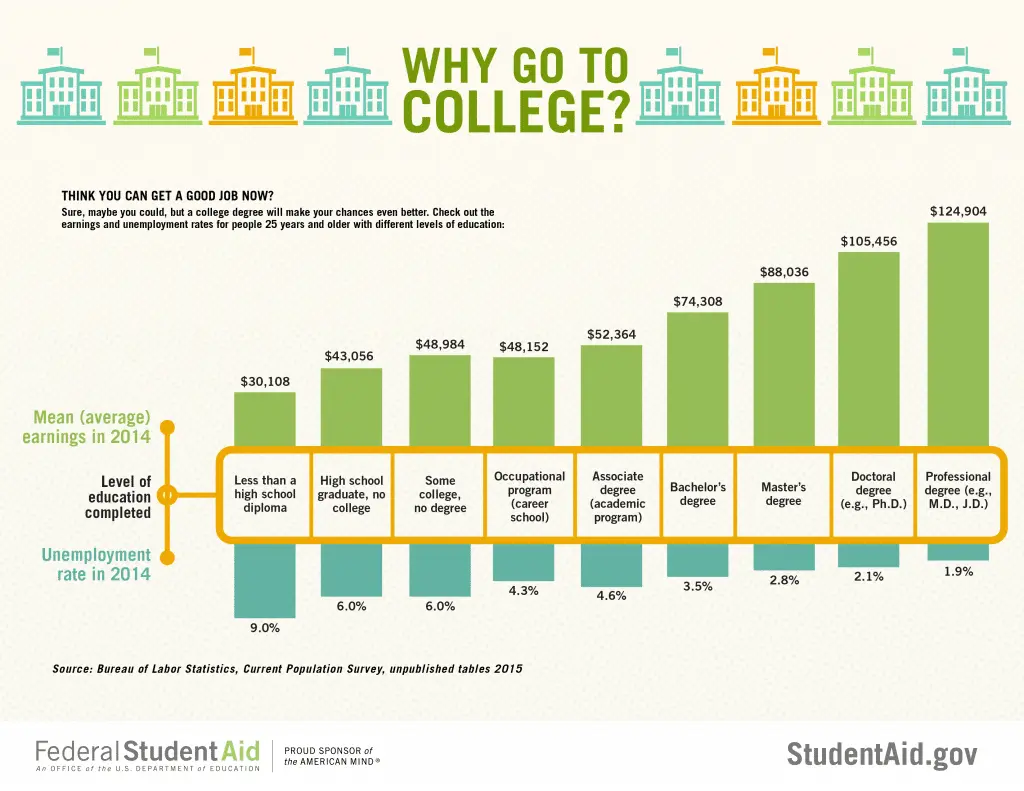
Graduate counseling programs often carry tuition rates that exceed $30,000 per year at private institutions and $15,000 at public universities, not including books, licensure fees, and living expenses. According to the National Center for Education Statistics (NCES) 2026 report, 62 % of counseling graduate students rely on some form of financial aid, yet only 27 % receive merit‑based scholarships that cover more than half of their costs. A targeted scholarship can:
Table of Contents
- Why Scholarships Matter for Counseling Master’s Programs
- Key Scholarship Programs for Counseling Masters in the USA (2026)
- 1. American Counseling Association (ACA) Graduate Student Scholarship
- 2. The Jack Kent Cooke Foundation Graduate Scholarship
- 3. State‑Based Scholarships: Example of Massachusetts
- 4. Institutional Scholarships: Keiser University
- 5. Federal and State Financial Aid (FAFSA)
- Eligibility Criteria & Competitive Edge
- Step‑by‑Step Application Roadmap
- Step 1: Research & Shortlist (January–February 2026)
- Step 2: Prepare Core Documents (February–March 2026)
- Step 3: Complete FAFSA (by March 2, 2026)
- Step 4: Tailor Applications (March–April 2026)
- Step 5: Submit & Track (April–May 2026)
- Common Pitfalls and How to Avoid Them
- Data Snapshot: Funding Landscape 2026
- FAQ – Frequently Asked Questions
- What is the earliest I should start applying for a counseling master’s scholarship?
- Can I apply for multiple scholarships simultaneously?
- Do I need to be a U.S. citizen to qualify?
- How does a scholarship differ from a grant?
- Is a GRE score still required for counseling master’s programs?
- Conclusion: Act Now Before Deadlines Close
- Reduce student‑loan debt, allowing new counselors to start their careers with financial stability.
- Enable enrollment in accredited programs that may otherwise be out of reach.
- Provide networking opportunities through donor alumni associations.
- Offer stipends for practicum or field placement, which are often required for licensure.
Key Scholarship Programs for Counseling Masters in the USA (2026)
Below is a curated list of the most competitive and reputable scholarships that specifically support counseling graduate studies for the 2026 academic year.
1. American Counseling Association (ACA) Graduate Student Scholarship
The ACA awards up to $5,000 to students pursuing a master's in counseling, clinical mental health counseling, or school counseling. Applications open on January 15 and close on March 31, 2026. Eligibility requires a minimum 3.2 GPA and a demonstrated commitment to the counseling profession, evidenced by volunteer work or a personal statement.
2. The Jack Kent Cooke Foundation Graduate Scholarship
While not counseling‑specific, the Jack Kent Cooke Foundation offers $40,000 renewable scholarships for high‑achieving students with financial need. The foundation’s 2026 deadline is April 15. Recipients must maintain a 3.5 GPA and complete a community service project related to mental health.
3. State‑Based Scholarships: Example of Massachusetts
Massachusetts residents can apply for the Sober House Scholarships in Massachusetts 2026, which, while aimed at substance‑abuse recovery professionals, also cover counseling master’s programs focused on addiction counseling. The deadline is May 1, 2026, and awards range from $3,000 to $8,000.
4. Institutional Scholarships: Keiser University
Keiser University’s 2026 scholarship pool includes the Keiser University Scholarships 2026, offering up to $10,000 for students entering their Master of Science in Clinical Mental Health Counseling. Applications must be submitted by February 28, 2026.
5. Federal and State Financial Aid (FAFSA)
Completing the FAFSA by March 2, 2026, unlocks federal Pell Grants and state‑specific aid that can be combined with private scholarships. While not a scholarship per se, this official aid is essential for building a comprehensive funding package.
Eligibility Criteria & Competitive Edge
Most counseling scholarships share a core set of requirements. Meeting or exceeding these benchmarks will position you as a strong candidate.
- Academic Excellence: Minimum GPA of 3.0–3.5, depending on the program.
- Relevant Experience: Volunteer work, internships, or paid roles in mental‑health settings.
- Personal Statement: A concise essay (500–800 words) that connects your career goals with the scholarship’s mission.
- Letters of Recommendation: At least two, ideally from professors or supervisors familiar with your counseling aptitude.
- Financial Need Documentation: Tax returns or FAFSA results for need‑based awards.
To gain a competitive edge, incorporate LSI keywords naturally into your essays—terms such as “graduate counseling scholarships,” “financial aid for counseling masters,” and “counseling degree funding” demonstrate familiarity with the field and align your application with scholarship reviewers’ expectations.
Step‑by‑Step Application Roadmap
Following a systematic process helps you avoid missed deadlines and incomplete submissions.
Step 1: Research & Shortlist (January–February 2026)
Use scholarship databases (Fastweb, Scholarships.com) and professional organization websites. Prioritize awards with a deadline before May 2026.
Step 2: Prepare Core Documents (February–March 2026)
Gather transcripts, update your résumé, and request recommendation letters early. Draft a master personal statement that can be tailored for each scholarship.
Step 3: Complete FAFSA (by March 2, 2026)
Log into StudentAid.gov to submit the FAFSA. Save the confirmation number for later reference.
Step 4: Tailor Applications (March–April 2026)
Customize your personal statement to address each scholarship’s focus—e.g., emphasize community service for the ACA award or discuss leadership for the Jack Kent Cooke award.
Step 5: Submit & Track (April–May 2026)
Upload all required files before the deadline, then confirm receipt via email. Keep a spreadsheet noting submission dates, confirmation numbers, and follow‑up timelines.
Common Pitfalls and How to Avoid Them
- Procrastination: Missing a deadline is irreversible. Set internal “soft” deadlines at least one week before the official date.
- Generic Essays: A one‑size‑fits‑all essay signals lack of effort. Use specific anecdotes that align with each sponsor’s mission.
- Incomplete Documentation: Forgetting to attach a signed FAFSA PDF or a missing transcript can disqualify you.
- Overlooking State Grants: Many states offer counseling‑specific aid that is not widely advertised. Search your state’s higher‑education website for hidden opportunities.
- Ignoring Post‑Award Requirements: Some scholarships demand quarterly progress reports; failing to comply can result in fund revocation.
Data Snapshot: Funding Landscape 2026
According to the American Association of State Colleges and Universities (AASCU) 2026 funding report:
| Funding Source | Average Award Amount | Number of Recipients (2025‑26) |
|---|---|---|
| Professional Association Scholarships | $3,500 | 1,240 |
| Institutional Grants (e.g., Keiser University) | $7,200 | 820 |
| Federal & State Grants (FAFSA‑based) | $4,800 | 3,560 |
| Private Foundations (Jack Kent Cooke, etc.) | $25,000 | 410 |
The data underscores that combining multiple sources can cover up to 85 % of tuition for a typical counseling master’s program.
FAQ – Frequently Asked Questions
What is the earliest I should start applying for a counseling master’s scholarship?
Begin researching in early January and have all core documents ready by mid‑February. Most 2026 deadlines fall between March and May.
Can I apply for multiple scholarships simultaneously?
Yes, and it is encouraged. Just ensure each application is tailored and that you do not exceed the total amount of aid allowed by your program’s financial‑aid office.
Do I need to be a U.S. citizen to qualify?
Many scholarships require citizenship or permanent residency, but several—such as the ACA Graduate Student Scholarship—also accept international students who hold a valid F‑1 visa and meet the academic criteria.
How does a scholarship differ from a grant?
Scholarships are typically merit‑based and may require essays or recommendations, while grants are often need‑based and awarded through FAFSA calculations. Both can be stacked, provided your school’s policy permits it.
Is a GRE score still required for counseling master’s programs?
Most programs have moved to test‑optional policies in 2025, but a strong GRE score can still enhance your application for competitive scholarships that weigh academic potential heavily.
Conclusion: Act Now Before Deadlines Close
Securing a scholarship for a master’s in counseling in the United States is less about luck and more about strategic timing, thorough preparation, and targeted outreach. By focusing on official aid deadlines, customizing each application, and leveraging both national and state‑specific funding—such as the Fully Funded Nursing Scholarships in Massachusetts USA as a benchmark for scholarship structures—you can assemble a robust financial package that makes graduate study attainable.
Take the first step today: list your top five scholarships, set a personal deadline two weeks before the official one, and begin drafting your statements now. The sooner you act, the greater your chance of receiving the support you need to launch a rewarding counseling career.