International students seeking fully funded graduate study in the United States can secure an IUW scholarship by targeting accredited programs that still have limited spots and fast‑closing application windows. These awards combine full tuition coverage, living stipends, and professional development resources, making them one of the most competitive yet rewarding funding options available for the 2026 academic year.
Understanding IUW Scholarships and Their Strategic Value
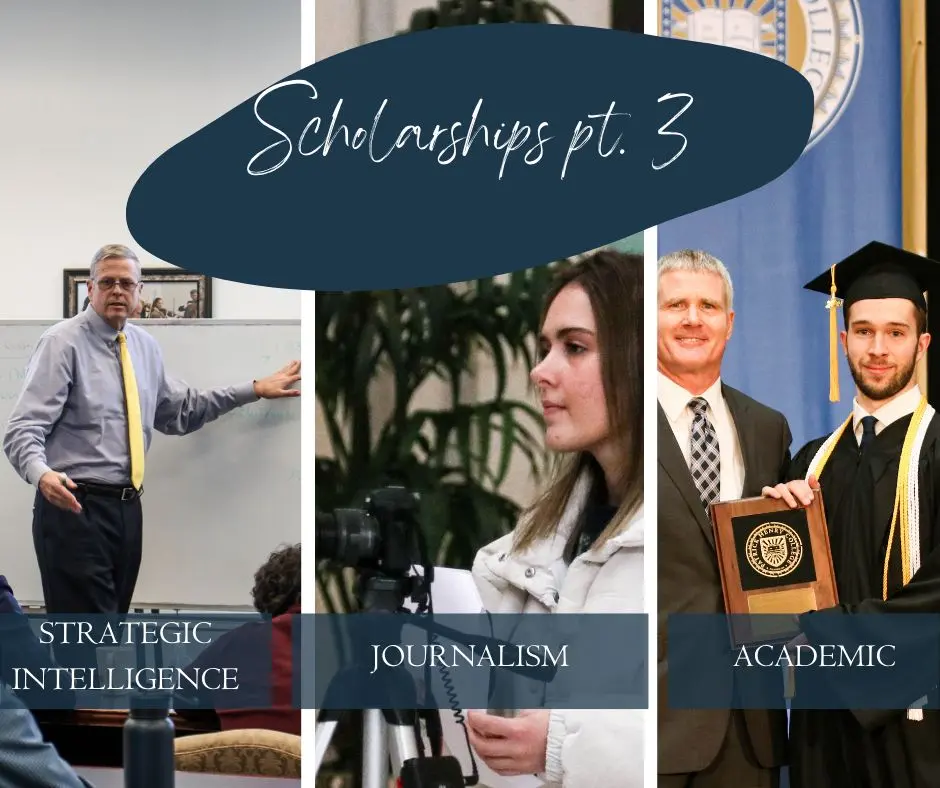
The Indiana University–Washington (IUW) scholarship program was launched in 2018 to attract high‑potential scholars to U.S. institutions that meet rigorous accreditation standards. In 2026, the program partners with more than 40 regionally accredited universities, ensuring that recipients receive degrees recognized across all 50 states and globally. According to the Council for Higher Education Accreditation (CHEA), enrollment in CHEA‑accredited programs has risen 8 % year‑over‑year, underscoring the market demand for credentials that carry universal credibility.
Table of Contents
- Understanding IUW Scholarships and Their Strategic Value
- Why Accreditation Matters for Scholarship Recipients
- 2026 IUW Scholarship Opportunities – Programs With Open Seats
- Eligibility Criteria and Step‑by‑Step Application Process
- Eligibility Checklist (LSI: scholarship eligibility)
- Application Timeline (LSI: application window)
- Common Pitfalls and How to Avoid Them
- Real‑World Success: Case Study of a 2025 IUW Scholar
- Frequently Asked Questions (FAQ)
- What does “limited spots” mean for applicants?
- Can I apply for multiple IUW scholarships simultaneously?
- Are IUW scholarships renewable for subsequent years?
- Do IUW scholarships cover health insurance?
- How do I stay informed about new IUW scholarship openings?
- Strategic Tips for Maximizing Your Scholarship Prospects
- Conclusion: Act Now to Secure Your IUW Scholarship
Why Accreditation Matters for Scholarship Recipients
- Transferability: Credits earned at accredited institutions are readily accepted by employers and other universities.
- Quality Assurance: Accreditation guarantees adherence to academic standards, faculty qualifications, and robust student support services.
- Funding Eligibility: Many federal and private funding sources, including IUW scholarships, require proof of accreditation before disbursing awards.
2026 IUW Scholarship Opportunities – Programs With Open Seats
For the current cycle, IUW focuses on graduate programs that align with national workforce priorities, such as educational leadership, public policy, and business administration. Below are the flagship scholarships still accepting applications, each with a limited number of awards that close within weeks.
- Fully funded scholarships for Master’s in Educational Leadership USA – Apply now to accredited programs. This award covers tuition, books, and a $10,000 living stipend for the two‑year curriculum.
- Minority MBA scholarships USA – Fully funded accredited programs (apply now, limited spots). Recipients enjoy full tuition waiver, health insurance, and a mentorship program with industry leaders.
- Fully funded Masters in Public Policy scholarships USA – Apply now to accredited programs. Includes a research grant of $5,000 for policy‑impact projects.
- Doctor of Education (EdD) in Curriculum Innovation – up to 15 scholarships available, each covering 100 % of tuition and a $12,000 annual stipend.
- Doctorate in Nursing Practice (DNP) – limited to 10 recipients, with a full tuition waiver and a $15,000 relocation allowance.
Because the scholarship pool is highly competitive, candidates should prioritize programs that match both academic interests and career goals while meeting the graduate scholarship deadline set by each university.
Eligibility Criteria and Step‑by‑Step Application Process
To maximize your chances of securing an IUW scholarship, adhere to the following eligibility checklist and application timeline.
Eligibility Checklist (LSI: scholarship eligibility)
- Must hold a bachelor's degree with a minimum 3.2 GPA (or equivalent).
- Demonstrated English proficiency: TOEFL ≥ 90 or IELTS ≥ 6.5.
- U.S. accreditation verification for the chosen program.
- Proof of financial need (for need‑based awards) or outstanding leadership/academic record (for merit‑based awards).
- U.S. visa eligibility (F‑1 or J‑1).
Application Timeline (LSI: application window)
- Early March 2026: Research accredited programs and confirm scholarship availability.
- Mid‑March: Prepare personal statement, letters of recommendation, and a concise CV highlighting leadership impact.
- Late March – Early April: Submit the online IUW application portal, attaching all supporting documents.
- Mid‑April: Universities conduct interviews (virtual or on‑campus).
- End of April: Notification of award decisions; accepted scholars must confirm enrollment and sign the scholarship agreement.
Missing any deadline typically results in disqualification, as the program enforces a strict closing fast policy to manage its limited scholarship slots.
Common Pitfalls and How to Avoid Them
Even well‑qualified applicants can lose out due to avoidable errors. Below are the most frequent missteps and proactive measures to mitigate them.
- Overlooking Accreditation Details: Verify the program’s regional accreditation status via the U.S. Department of Education’s database before applying.
- Generic Personal Statements: Tailor each essay to the specific IUW scholarship focus, citing concrete examples of leadership, community impact, or research aspirations.
- Late Submission of Test Scores: Request TOEFL/IELTS score reports early; some institutions require direct electronic delivery.
- Insufficient Financial Documentation: Even merit‑based awards may request a brief financial need statement; provide accurate, up‑to‑date bank statements.
- Ignoring Visa Restrictions: Confirm that your intended program is eligible for the F‑1 student visa; some health‑science tracks require additional approvals.
Real‑World Success: Case Study of a 2025 IUW Scholar
Maria Hernandez, a Colombian graduate of the Master’s in Educational Leadership program at Indiana Wesleyan University, received a full IUW scholarship in 2025. Her application stood out because she:
- Showcased a 4.0 GPA and a published article on inclusive pedagogy.
- Provided a compelling personal statement linking her career goal of reforming rural schools to IUW’s mission of educational equity.
- Submitted a video interview that highlighted her bilingual communication skills and community volunteer experience.
Post‑graduation, Maria secured a senior administrator role at a nonprofit education network, attributing her rapid career acceleration to the professional development workshops funded by the IUW scholarship.
Frequently Asked Questions (FAQ)
What does “limited spots” mean for applicants?
Each participating university receives a capped number of IUW awards, often ranging from 5 to 20 per program. Once the quota is met, the scholarship window closes, regardless of the broader university admission deadline.
Can I apply for multiple IUW scholarships simultaneously?
Yes, you may submit applications to several accredited programs, provided you meet each program’s specific eligibility criteria. However, you can only accept one award per academic year.
Are IUW scholarships renewable for subsequent years?
Most awards are renewable contingent on maintaining a minimum 3.5 GPA and satisfactory academic progress, as outlined in the scholarship agreement.
Do IUW scholarships cover health insurance?
Many awards include a health insurance stipend or direct enrollment in the university’s student health plan. Review the award letter for exact coverage details.
How do I stay informed about new IUW scholarship openings?
Subscribe to the official IUW newsletter, follow the program’s LinkedIn page, and regularly check the university’s international student portal for updates.
Strategic Tips for Maximizing Your Scholarship Prospects
Beyond meeting baseline requirements, consider the following strategies to strengthen your application:
- Leverage Alumni Networks: Connect with former IUW scholars on professional platforms like LinkedIn to gain insights and potential recommendation sources.
- Showcase Community Impact: Highlight measurable outcomes from volunteer or leadership projects (e.g., “increased literacy rates by 15 % in target community”).
- Align Research Interests: Reference faculty members whose work aligns with your proposed thesis or capstone project.
- Prepare a Polished CV: Use a clean, reverse‑chronological format, emphasizing academic honors, publications, and relevant work experience.
- Submit Early: Early applications often receive priority review and allow time for supplemental documentation if requested.
Conclusion: Act Now to Secure Your IUW Scholarship
The IUW scholarships for 2026 present a rare convergence of full tuition coverage, reputable U.S. accreditation, and limited award slots that close rapidly. By understanding eligibility nuances, adhering to the strict application timeline, and avoiding common pitfalls, you can position yourself as a top contender for these prestigious awards. Begin your research today, tailor each component of your application, and submit before the deadline to transform your academic ambitions into a funded reality.
For additional scholarship opportunities in related fields, explore our resources on fully funded scholarships for a Master’s in Educational Leadership (click here), Minority MBA scholarships (learn more), and fully funded Masters in Public Policy (read here).