5. Performance Monitoring & Maintenance
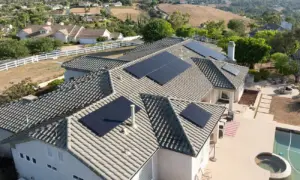
Modern installations include a cloud‑based monitoring portal, giving owners real‑time visibility into generation, consumption, and savings. Routine checks—typically once per year—focus on tightening connections, cleaning debris, and verifying inverter health.
Real‑World Impact: Case Studies from Long Island
Below are two illustrative projects that underscore the tangible benefits of high‑efficiency solar panel installation by local experts.
Case Study 1: Suburban Family Home, Huntington
- System: 12 kW array of SunPower Maxeon 3 (22% efficiency)
- Roof Area: 1,200 ft² (reduced from a 1,500 ft² design using standard 18% panels)
- Annual Production: 15,800 kWh (≈18% higher than projected with standard panels)
- Financial Outcome: 28% reduction in electricity bills, 5‑year payback, and $2,300 in state tax credits.
Case Study 2: Small Commercial Office, Smithtown
- System: 45 kW rooftop installation of LG NeON 2 (21.5% efficiency)
- Roof Space: Optimized to fit within a limited 3,200 ft² footprint
- Annual Production: 60,500 kWh, offsetting 70% of the building’s electricity demand
- Financial Outcome: 30% lower operating costs, eligible for the 2026 NYSERDA Commercial Solar Incentive, delivering an ROI of 12% over 20 years.
Both projects were executed by trusted local installers with a track record of delivering fast setup and maximizing savings, a hallmark of professional service across the United States.
Table of Contents
- 5. Performance Monitoring & Maintenance
- Real‑World Impact: Case Studies from Long Island
- Case Study 1: Suburban Family Home, Huntington
- Case Study 2: Small Commercial Office, Smithtown
- Common Pitfalls and How to Avoid Them
- Financing Options Tailored for Long Island Residents
- FAQ – Frequently Asked Questions
- What distinguishes high‑efficiency panels from standard modules?
- How long does a typical installation take on Long Island?
Common Pitfalls and How to Avoid Them
Even experienced homeowners can encounter setbacks if they overlook certain details:
- Ignoring Shade Analysis: Skipping a thorough shading study can lead to underperformance; modern installers use software like Aurora Solar to pre‑empt this issue.
- Choosing Low‑Cost, Low‑Efficiency Panels: While cheaper upfront, these modules may increase the required roof area and extend the payback period.
- Neglecting Permit Timelines: Early engagement with local authorities prevents costly re‑work.
- DIY Installations Without Certification: Unlicensed work voids warranties and may violate insurance policies.
Financing Options Tailored for Long Island Residents
High‑efficiency solar projects can be financed through a variety of mechanisms, each with distinct tax and cash‑flow implications:
- Solar Loans: Fixed‑rate loans from community banks often offer 0% down, with terms ranging from 5 to 20 years.
- Power Purchase Agreements (PPAs): The installer owns the system; the homeowner pays a reduced per‑kWh rate, preserving capital.
- State Incentives: NYSERDA’s 2025 “Solar for All” program provides up to $5,000 in rebates for qualifying households.
- Federal Tax Credit: The 26% Investment Tax Credit (ITC) remains in effect for 2026 installations, substantially lowering net costs.
FAQ – Frequently Asked Questions
What distinguishes high‑efficiency panels from standard modules?
High‑efficiency panels use advanced cell architecture—such as back‑contact or bifacial designs—to convert a larger percentage of sunlight into electricity, delivering more watts per square foot.
How long does a typical installation take on Long Island?
From site survey to commissioning, a well‑coordinated project usually spans 4–6 weeks, contingent on permitting speed and weather conditions.