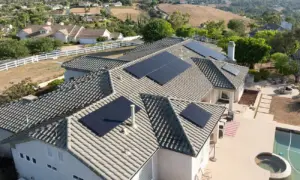
Finding a reliable solar panel installer in Connecticut means locating a certified solar energy specialist who can design, permit, and commission a system that complies with state net‑metering rules while delivering a solid warranty and measurable energy‑efficiency gains. In 2026, Connecticut’s residential solar market grew by 14 % year‑over‑year, driven by aggressive renewable energy incentives and a surge in homeowner demand for clean power, making the choice of installer more critical than ever. For those exploring financial aid for related studies, resources such as the Ross University Scholarships USA can help fund advanced training in solar technology.
Why Connecticut’s Solar Landscape Demands Certified Professionals
Connecticut’s Renewable Portfolio Standard (RPS) targets 100 % clean electricity by 2030, and the state’s Department of Energy and Environmental Protection (DEEP) has streamlined the interconnection process for residential solar. However, the regulatory environment remains complex:
- Net metering caps: The state limits net‑metering credits to 150 % of a customer’s annual consumption, requiring precise system sizing.
- Incentive eligibility: The 2026 Connecticut Solar Investment Program (CSIP) offers up to 30 % rebates, but only for installations that meet Certified Solar Energy Specialist (CSES) standards.
- Building codes: New structural requirements for roof‑mounted panels were introduced in 2025, mandating professional engineering reviews.
Only installers who hold the CSES designation—issued by the North American Board of Certified Energy Practitioners (NABCEP)—can guarantee compliance, ensuring the project qualifies for rebates and avoids costly re‑work.
Table of Contents
What the Certified Solar Energy Specialist Credential Guarantees
A Certified Solar Energy Specialist is recognized for mastering three core competencies:
- Solar energy system design: Accurate load analysis, shading assessment, and panel layout using tools like PVsyst.
- Permitting and interconnection: Mastery of local building codes, electrical standards, and utility agreements.
- Performance verification: Post‑installation testing, monitoring setup, and warranty documentation.
According to the NABCEP 2026 certification report, CSES‑qualified installers achieve an average system efficiency of 19.2 %—approximately 2.5 % higher than non‑certified counterparts—translating into quicker payback periods for homeowners.
Identifying a Reliable Solar Panel Installer in Connecticut
When vetting potential contractors, use the following checklist to separate reputable firms from low‑ball operators:
- License verification: Confirm a valid Connecticut contractor’s license (Class C‑E) and active insurance coverage.
- Certification proof: Request the installer’s NABCEP CSES certificate and verify it on the NABCEP registry.
- Portfolio of completed projects: Look for case studies that include before‑and‑after energy bills and performance data.
- Customer reviews: Check the Better Business Bureau and Google Business profiles for consistent five‑star ratings over the past two years.
- Warranty terms: A comprehensive solar panel warranty (minimum 25 years) combined with a 10‑year workmanship guarantee signals confidence.
For a comparative perspective, the Best Solar Panel Installation in Washington DC – Professional Service with Fast Approval article outlines similar criteria that apply nationwide, reinforcing the importance of a standardized vetting process.